
Solstice Splits
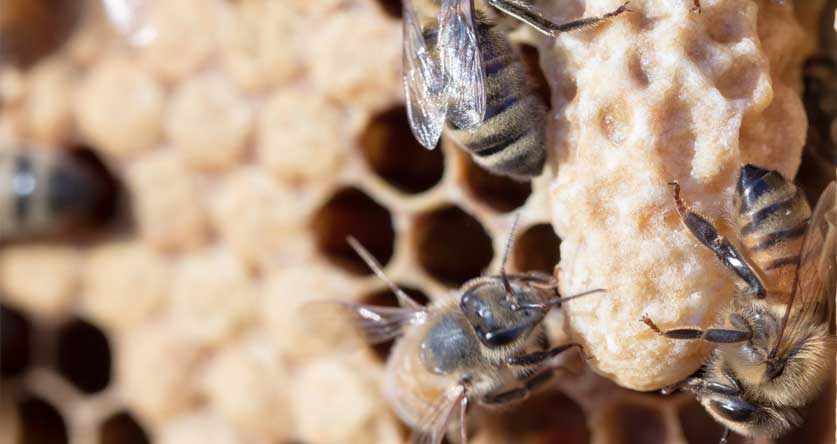
Introduction No matter the style of hive or experience as a beekeeper you likely have heard about a nuc or nucleus colony. Often, it’s regarding purchasing honeybees that come with 4-5 frames of drawn-out comb, honey, brood, worker bees and a queen. These can range from $180 to $200 plus to purchase. What if you […]
Genetic Diversity Matters
DISCLAIMER: The blog below is generally created from the research listed in the “Referenced Material” section. This is not my research. All credit is given to these studies and researchers who are helping beekeepers better understand how we can improve our management practices. History The honeybee originated in the Old World, where it diverged into […]
Propolis: Honeybees Love It for Good Reason
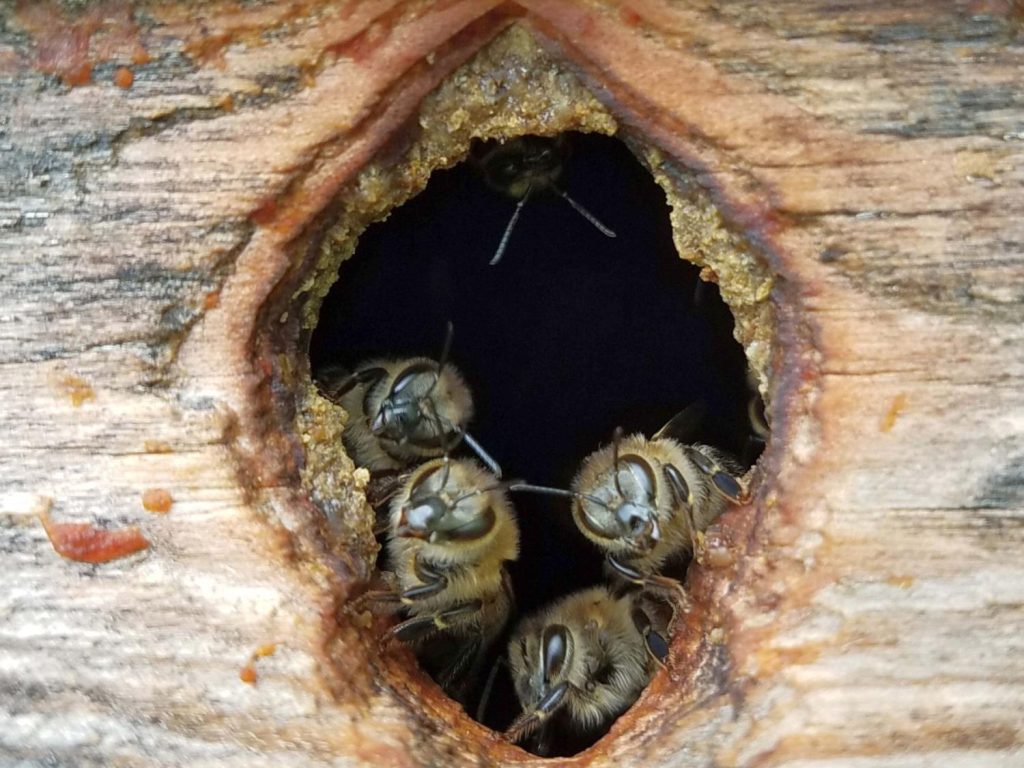
DISCLAIMER: The blog below is generally created from the research listed in the “Referenced Material” section. This is not my research. All credit is given to these studies and researchers who are helping beekeepers better understand how we can improve our management practices. Introduction A beekeeper with their hive tool in hand will often be […]
Is Moisture Normal…In a Hive?
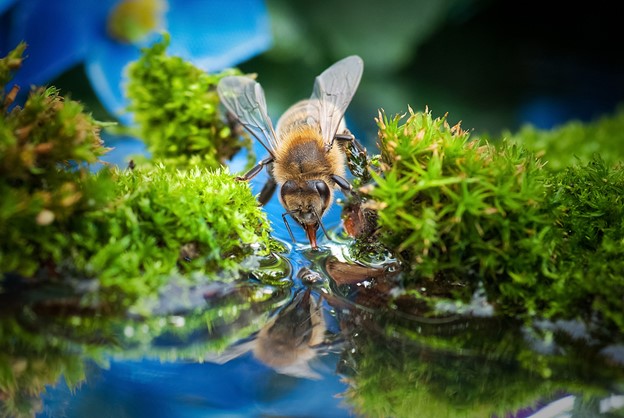
DISCLAIMER: The blog below is generally created from the research listed in the “Referenced Material” section. This is not my research. All credit is given to these studies and researchers who are helping beekeepers better understand how we can improve our management practices. Introduction Water plays a critical role in honeybee biology and overall health. […]
Honeybee Medicine Cabinet
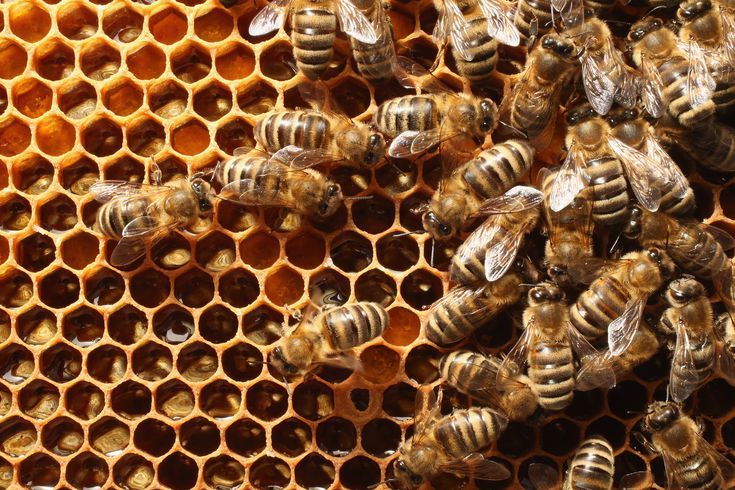
DISCLAIMER: The blog below is generally created from the research listed in the “Referenced Material” section. This is not my research. All credit is given to these studies and researchers who are helping beekeepers better understand how we can improve our management practices. Introduction The coevolutionary dependencies between pollinators and plants has enabled pollinators including […]
Thermal Energy Efficiency and Honey Desiccation

DISCLAIMER: The blog below is generally created from the research listed in the “Referenced Material” section. This is not my research. All credit is given to these studies and researchers who are helping beekeepers better understand how we can improve our management practices. Energy-Intensive Process Honey ripening or desiccation of nectar to produce honey by […]
Langstroth’s “Intelligent Cultivator” Part 7 of 7 – Helping Honey Bees Thrive
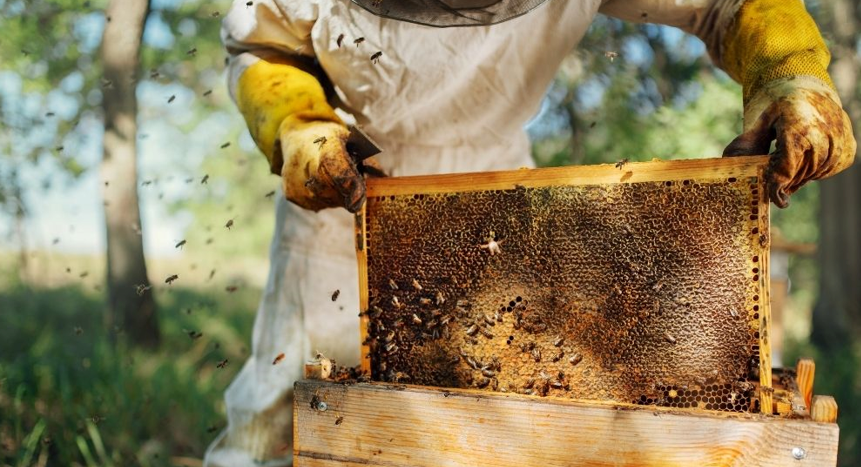
What will you do to help honeybees thrive? During the last decades, the beekeeping industry has seen very few changes and improvements on the widely used Langstroth wooden hive. The recent development of new insulation materials with higher proprieties compared to wood could provide better alternatives for the beekeeping industry. For example, a study of […]
Langstroth’s “Intelligent Cultivator” Part 6 of 7 – Humidity and Varroa Mortality
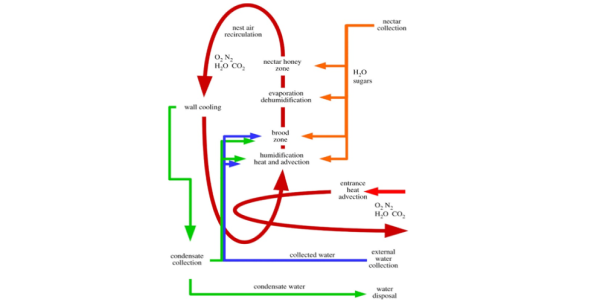
Humidity Regulation and Varroa Destructor Mortality The thermofluid physics in the production and removal of water vapor binds the behaviors of the honeybee colony. Honeybees must produce and dispose of considerable quantities of water vapor to convert nectar into honey. This is typically 4 to 7 times the weight of the honey and as warm […]
Langstroth’s “Intelligent Cultivator” Part 5 of 7 – Summer Heat
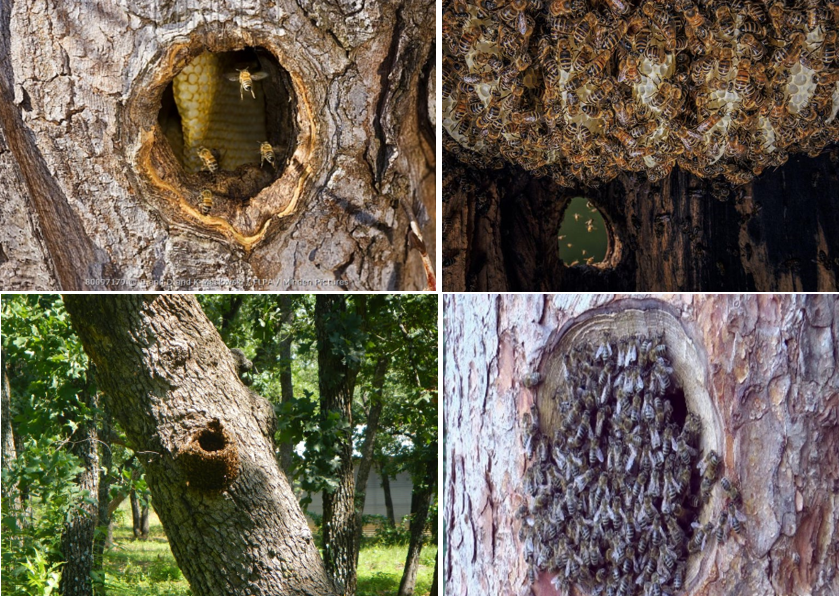
Summer Heat The worldwide distribution of honeybees and their fast propagation to new areas rests on their ability to keep up optimal ‘tropical conditions’ in their brood nest both in the cold and in the heat to achieve thermal constancy of 34–36°C/93–97°C. Honeybee colonies behave like ‘superorganisms’ where individuals work together to promote reproduction of […]
Langstroth’s “Intelligent Cultivator” Part 4 of 7 – Spring Brood and Dead Outs
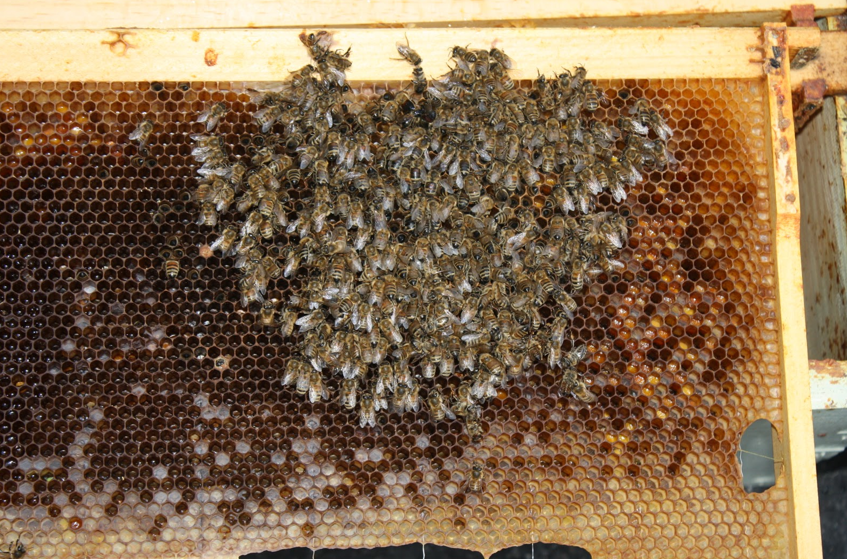
Early Spring Brood Rearing and Dead Outs To save resources, honeybee colonies in the northern states stop brood rearing during winter. Brood rearing is resumed in late winter to build up a sufficient worker force that allows the exploitation of floral resources in the upcoming spring. The timing of brood onset in hibernating colonies is […]