
Influences on the Queen’s Color
- Posted
DISCLAIMER: The blog below is generally created from the research listed in the “Referenced Materials” section. This is not my research. All credit is given to these studies and researchers who are helping beekeepers better understand how we can improve our management practices.
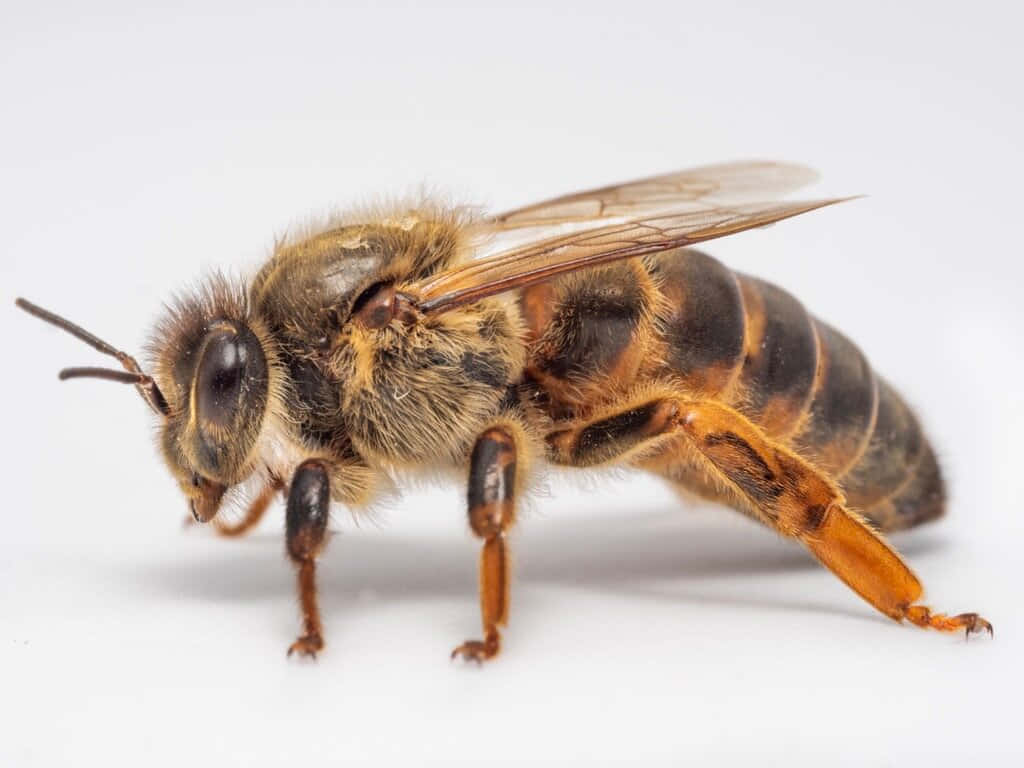
Honeybee queens normally exhibit a range of colors that can vary based on their subspecies. The coloration is primarily determined by their genetics. For example, Italian honeybees may look light yellow to golden, German honeybees tend to be dark brown to black, and Carniolan honeybees look dark gray to black.
Coloration for offspring, both workers and virgin queens, can be altered based on the drones that the queen bee mates with. The diversity of the drone congregation area can and will significantly affect her offspring’s genetics, as the queen uses the sperm from multiple drones to fertilize her eggs, leading to genetic and possible color diversity among the female workers and any virgin queens. This genetic variation is crucial for the health and local adaptability of the colony.
Temperature
Local environment and brood temperature variations can affect slight changes to the mated queen’s coloration mainly through physiology and activity level, not by instantly “re-dyeing” or changing her specific genetics.
- At cooler temperatures, queens tend to move less and are often observed as darker/less glossy, which can make them look more uniformly dark.
- At warmer temperatures, queens are more active and their body surfaces can look more reflective, so color can appear brighter or more lustrous (often reading as slightly more metallic/amber under light).
Temperature during queen development can also affect how the queen looks at emergence, but it’s usually indirect—through development rate, size/physiology, and cuticle maturation.
What temperature can change during queen-cell development:
- Development speed (metamorphosis timing). Warmer (within the range bees can maintain) generally speeds development; cooler conditions can slow it. If development is off pattern, the queen that emerges may have slightly different surface condition (still soft/not fully hardened), which can affect how her colors appear.
- Cuticle/hardening and pigment expression. After eclosion (emerging from the pupal case), the queen’s exoskeleton darkens and hardens over time. Development temperature can influence how smoothly the maturation proceeds, changing the shade you notice at emergence (for example, appearing darker, duller, or less metallic initially).
- Body size and thickness. Temperature-related differences in larval nutrition and brood care can influence final morphology. Slight differences in body size and thickness can change the way light reflects off the queen, altering perceived color (especially the metallic sheen).
Remember that the color of your queen is not important. What’s most important is her egg laying and overall health as well as her pheromonal influence and the behavior of the worker bees. These factors are crucial for maintaining a productive hive and can indicate its vitality and the colony’s well-being.
Reference Materials
- The Different Types of Honey Bees
- What do they look like? University of Michigan
- Honey Bee Genetics Basics
- The influence of temperature on cuticular color of honeybee (Apis mellifera L) queens
- Influence of Temperature on Rate of Development and Color Patterns of Queen Honey Bees (Hymenoptera: Apidae)
- Higher developmental temperature increases queen production and decreases worker body size in the bumblebee Bombus terrestris