
The Old Beekeeper – The natural rhythms of the colony.
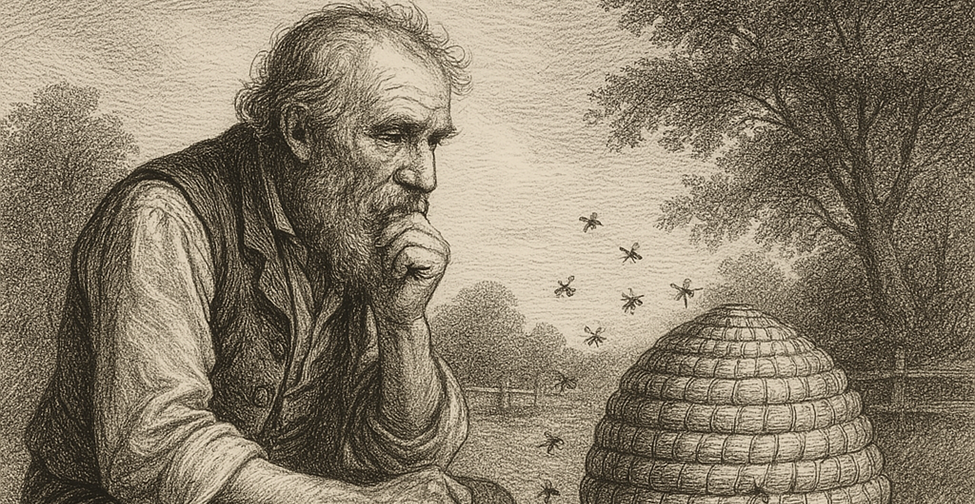
This blog will be a little different than my normal research focused topics. No summarized reference materials. No data or numbers. And no long confusing terms needing a Google search to understand. This one is simply my thoughts. I hope it makes you think too… Now I’m old enough to know you can’t “turn […]
Pollen: Why do bees and humans want it?
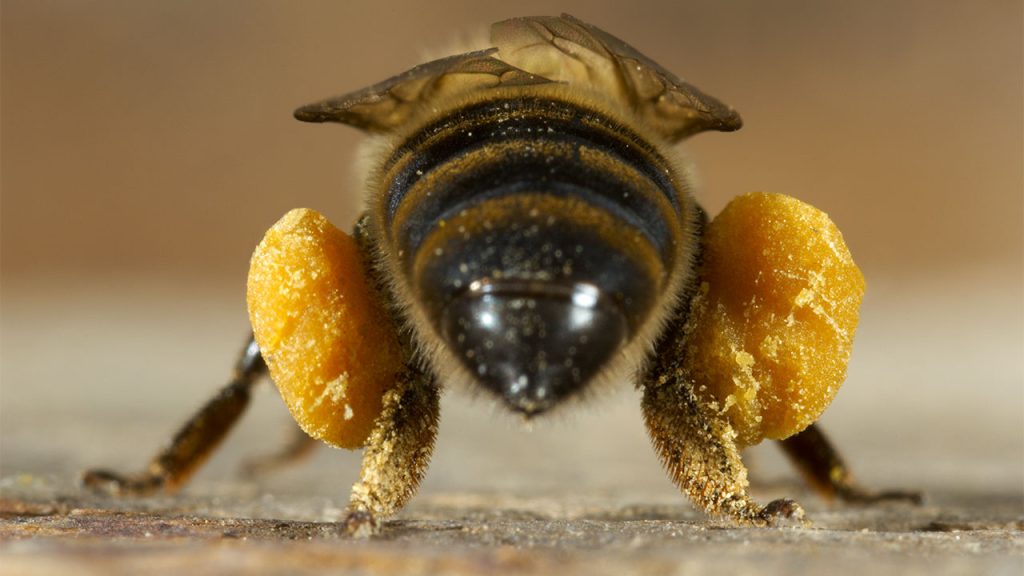
DISCLAIMER: The blog below is generally created from the research listed in the “Referenced Material” section. This is not my research. All credit is given to these studies and researchers who are helping beekeepers better understand how we can improve our management practices. Pollen: What is it? We see pollen coming into the hive packed […]
2024-2025 Layens Bee Sources Survey – Part 2
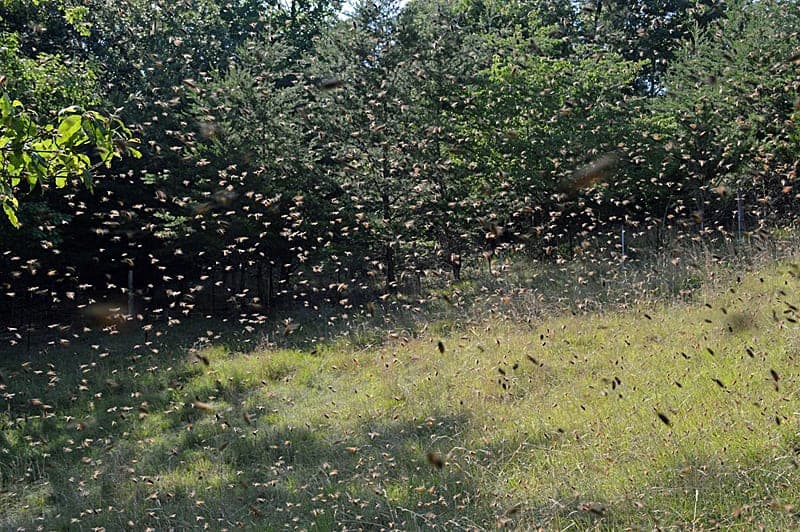
The March 2025 part 1 survey focused exclusively on colony losses over the winter of 2024-2025. The question was how beekeepers faired, using the Layens hive style (26%), in comparison to the extensive 62% colony loss rate reported by commercial Langstroth beekeepers. The intent of part 2 was to dig deeper into the conditions and […]
Monthly Field Days

2026 Field Day Schedule (weather permitting) Join us each month from May to September for a two hour In-Person Field Day at our Bethel, Ohio Apiary. Our time will be spent in the hives discussing and working through management activities appropriate for that month so veils are required for you to attend. We also take […]
Splits and Emergency Queen Cells
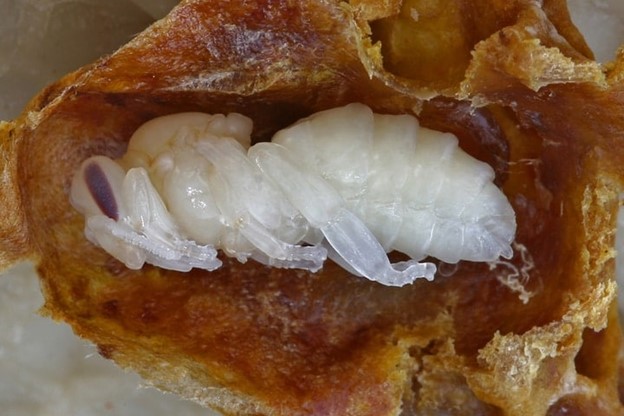
DISCLAIMER: The blog below is generally created from the research listed in the “Referenced Material” section. This is not my research. All credit is given to these studies and researchers who are helping beekeepers better understand how we can improve our management practices. Queens Development All fertilized eggs have the potential to become a queen […]
2024-2025 Survey of Layens Hive Winter Losses
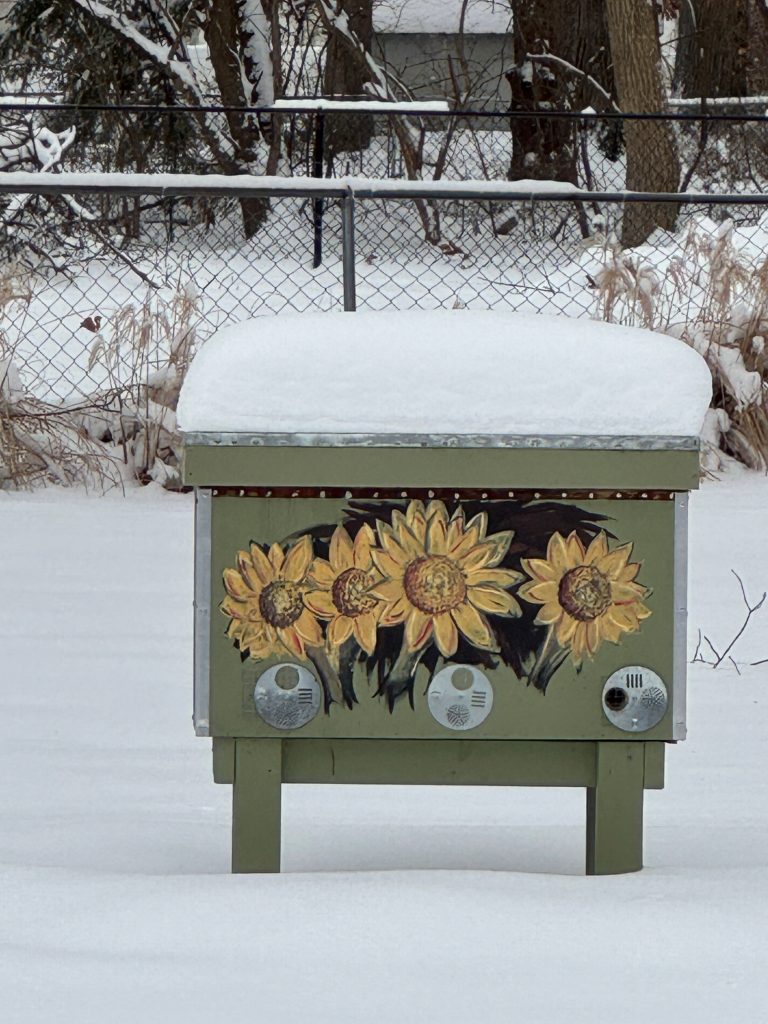
Abstract In reaction to the reports of significant commercial colony losses of between 60-70% during the fall and winter of 2024-2025 Wild Hives, serving backyard beekeepers and those using the Layens hive style, decided to conduct a grassroots survey of interested Layens beekeepers to see what losses they experienced during this same timeframe and what […]
Layens Artificial Swarming: Spring Splits
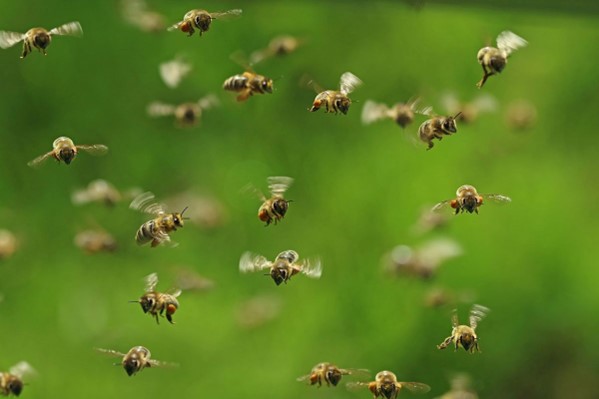
DISCLAIMER: The blog below is generally created from the research listed in the “Referenced Material” section. This is not my research. All credit is given to these studies and researchers who are helping beekeepers better understand how we can improve our management practices. Winter has hopefully ended for most of us and sadly our spring […]
Yes, Hive Insulation Is Good Year-Round – A Deeper Dive
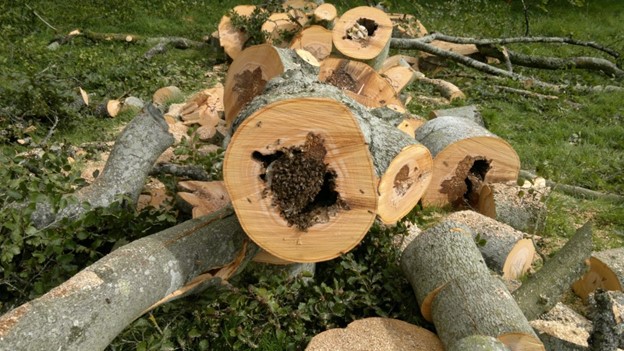
Much of the information below is taken from the work of Derek Mitchell’s research whose works are linked below as “Referenced Materials” along with other research articles included in this summary of the research. All credit is given to these researchers helping all beekeepers better understand how we can improve our management practices. Introduction The […]
Understanding Your Local Swarming Process
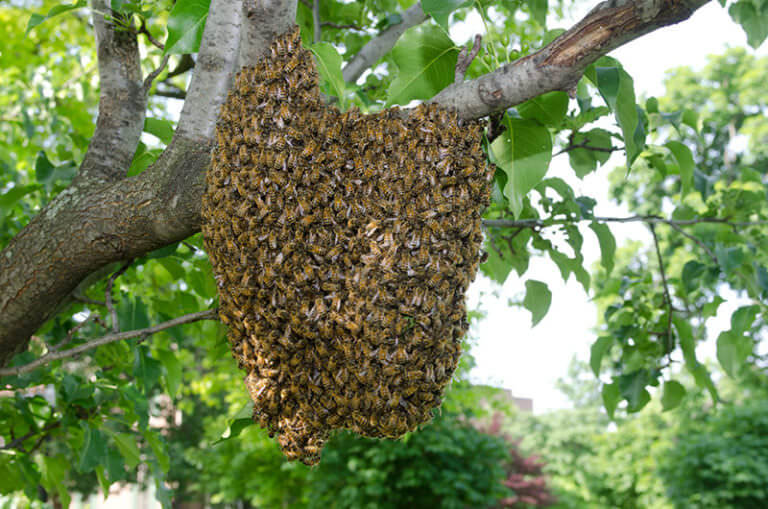
DISCLAIMER: The blog below is generally created from the research listed in the “Referenced Material” section. This is not my research. All credit is given to these studies and researchers who are helping beekeepers better understand how we can improve our management practices. Introduction Below is a summary of the recent research on swarming and […]
Winter Bees and Their Environment
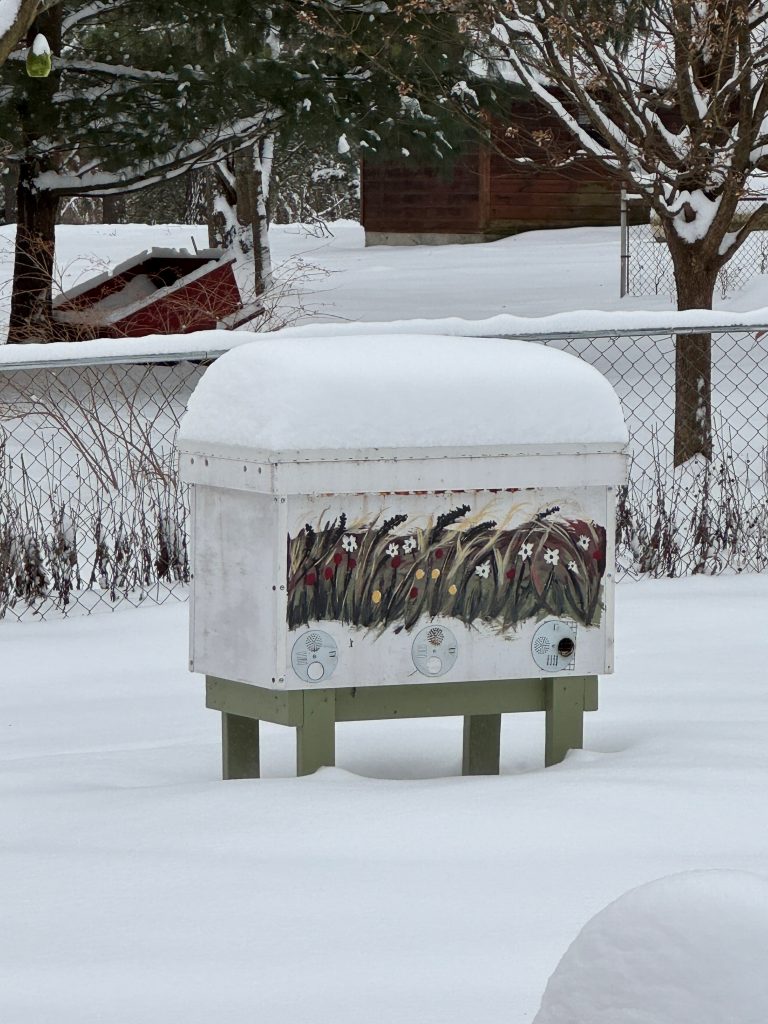
DISCLAIMER: The blog below is generally created from the research listed in the “Referenced Material” section. This is not my research. All credit is given to these studies and researchers who are helping beekeepers better understand how we can improve our management practices. Introduction Honey bee physiology follows an annual cycle, with winter bees living […]